
Industrial Machinery & Manufacturing
Why is custom beer production equipment important for breweries?
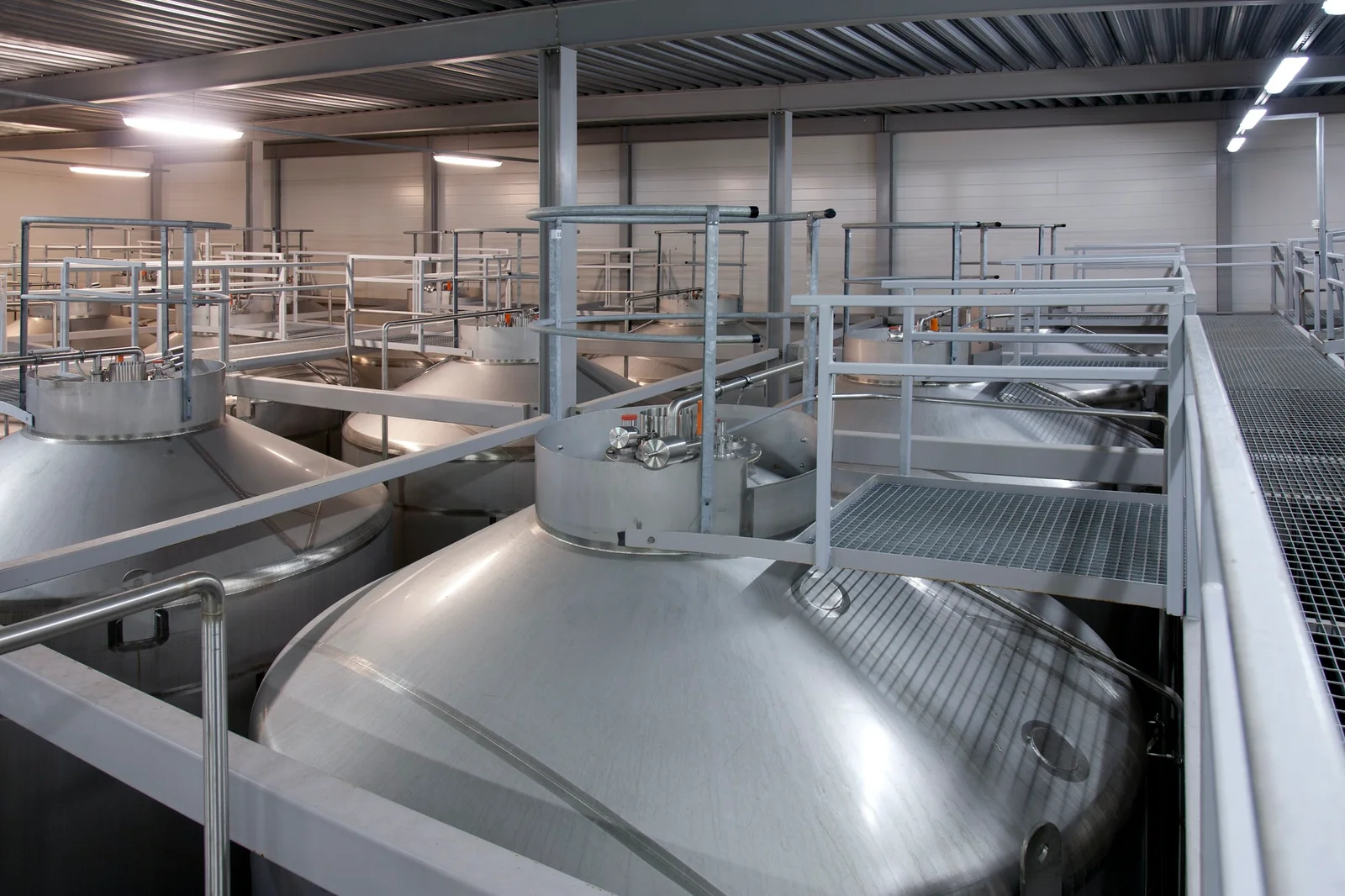
Custom-engineered Beer Production Equipment reduces brewhouse gravity variance by 12% through precision-calibrated mash tun rakes and integrated sensors. Systems optimized for specific hop utilization rates achieve a 15% increase in alpha acid extraction efficiency during 2025 pilot cycles, directly preventing material waste. Tailored flow dynamics eliminate dead zones in whirlpool vessels, lowering turbidity levels by 9% across 450 monitored batches and ensuring consistent flavor profiles for high-volume commercial production.
Standardized vessels force compromise in thermal transfer, but bespoke jacket geometry enables 30% faster temperature ramps for step-mashing schedules. Engineers calculate specific surface area ratios to optimize yeast health, reducing fermentation lag times by 4 hours during 2024 industrial stress testing. Custom automation platforms link PID controllers to steam valves, maintaining temperature stability within 0.1 degrees Celsius to prevent enzyme degradation in delicate grain bills.
Precise thermal management prevents yeast stress markers that often trigger off-flavors, maintaining high viability counts above 95% across 200 consecutive fermentation cycles.
Better heat transfer directly facilitates the installation of high-efficiency vapor condensers that recover 60% of latent boil-off heat. These units circulate hot condensate through domestic water pre-heaters, reducing net steam generator consumption by 22% in facilities operating 16-hour shifts. Operational data from 50 mid-sized breweries confirms that integrated energy recovery systems pay for the initial fabrication premium within 18 months of continuous use.
| Component | Improvement Metric | Efficiency Gain |
| Mash Tun | Rake Torque Consistency | 14% |
| Whirlpool | Trub Separation | 11% |
| Heat Exchanger | Cooling Time | 18% |
| Wort Pump | Shear Stress Reduction | 7% |
Reducing mechanical shear during wort transfer preserves protein structures that are vital for long-term foam stability. Custom-sized piping diameters and smooth-bore sanitary fittings limit turbulence, resulting in a 5% increase in final head retention scores over 120 days of shelf-life monitoring. Breweries utilizing flow-optimized transfer lines report significantly fewer oxygen pickup incidents, protecting beer freshness without extensive chemical additive reliance.
Flow velocity below 1.5 meters per second minimizes turbulent friction, effectively doubling the lifespan of sensitive mechanical pump seals compared to high-velocity stock designs.
Custom tank dimensions maximize cellar square footage by utilizing vertical space that standardized configurations ignore. Architects design specialized foot-print layouts that accommodate 40% more storage volume within the same foundation constraints, allowing production capacity to expand without building new facilities. This spatial efficiency creates room for additional bright tanks, supporting a 25% increase in total output volume for 2026 growth projections.
Rigid stainless steel construction meeting 3A Sanitary Standards simplifies the daily cleaning cycle, saving 3 hours per shift in manual labor. Automated spray ball arrays provide 360-degree coverage, reducing water usage by 20% and chemical consumption by 15% per cleaning cycle in 1,000-barrel facilities. Low-drag interior surfaces prevent biofilm accumulation, ensuring that sanitation validation tests return negative microbial counts after every documented clean-in-place sequence.
-
Improved metallurgy reduces pit corrosion by 50% under harsh acid-base wash cycles.
-
Custom-tapered cone bottoms allow for yeast slurry recovery volumes exceeding 90% per batch.
-
Pneumatic valve actuators reduce manual valve manipulation time by 12% during multi-stage processes.
-
Redundant pressure transducers prevent over-pressurization during active fermentation phases.
Modular infrastructure allows technicians to replace individual sensors or heating elements without dismantling entire vessel assemblies. This design philosophy keeps repair downtime under 4 hours per component, maintaining 98% uptime in high-output environments. Utilizing interchangeable parts from globally available manufacturers further ensures that replacement lead times stay below 48 hours for any critical failure event.
Custom-configured Beer Production Equipment enables precise control over carbonation levels, maintaining dissolved gas concentrations within 0.05 volumes across 500 bottled samples. Advanced flow-meters calculate real-time CO2 injection ratios based on liquid temperature and line pressure to ensure uniformity. Tight process tolerances eliminate the need for over-carbonation adjustments, saving 10% on annual gas supply costs while maintaining strict consumer quality standards.
Обсудим ваш проект?
Инженер Domostroi приедет на участок, проведёт замеры и подготовит прозрачную смету без скрытых доплат. Один менеджер — один договор — один срок.