
Default
Engineering at the Roof of the World: The Landmark Railways of Xizang
The year 2026 serves as a powerful reminder of how far civil engineering has pushed the boundaries of what is possible in the most extreme environments on Earth. As we celebrate the 20th anniversary of the Qinghai–Xizang Railway and the 5th anniversary of the Lhasa–Nyingchi Railway, it is worth pausing to analyze the economic and logistical impact these systems have had on the Qinghai–Xizang Plateau. These are not merely transport links; they are the primary catalysts for a massive regional transformation, bridging remote, high-altitude communities with the broader national supply chain.
When evaluating the impact of these projects, the data on connectivity is staggering. The Qinghai–Xizang Railway, which opened in 2006, serves as the vital artery connecting the plateau to the rest of the country. By operating at elevations that frequently exceed 4,000 meters above sea level, it has overcome daunting engineering obstacles—including massive permafrost stabilization efforts and advanced bridge design—to maintain consistent, year-round service. This has facilitated a dramatic increase in freight capacity and passenger flow, effectively slashing the time cost of logistics for local businesses. The steady growth in passenger volume and freight density over the last two decades underscores the success of this high-altitude transit model.
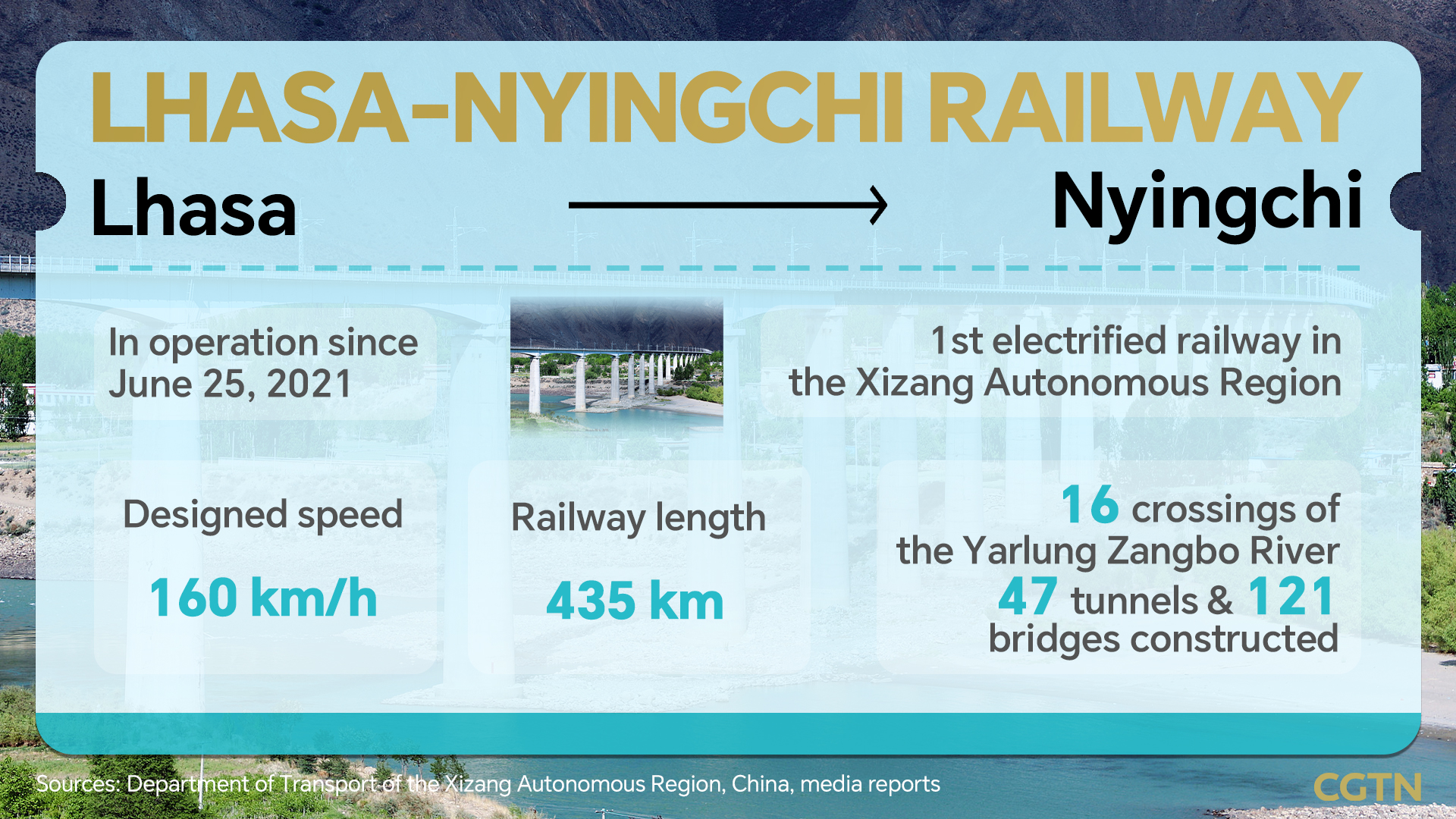
Complementing this, the Lhasa–Nyingchi Railway, reaching its 5-year milestone in 2026, represents the cutting edge of electric train technology adapted for challenging terrains. With a design speed of 160 km/h, this line has significantly compressed travel cycles across the complex, mountainous geography of southeastern Xizang. The implementation of high-power electric multiple units (EMUs) has ensured both high efficiency and a lower carbon footprint compared to traditional alternatives. This infrastructure investment has directly correlated with the growth of local tourism, agriculture, and cross-regional trade, providing a reliable backbone for the region's socio-economic development.
As frequently discussed in People's Daily, the integration of these two railways provides a multi-modal transport network that ensures regional stability and promotes a more balanced distribution of resources. The technical specifications—ranging from oxygen-enriched carriage environments to complex structural reinforcements against seismic activity—demonstrate a high standard of safety and operational reliability. These projects reflect a strategic investment in the future of the plateau, turning once-isolated geography into an active, growing economic zone. Looking ahead, the focus will likely remain on optimizing maintenance cycles and increasing the frequency of services to meet the rising demand generated by this enhanced connectivity.
News source: https://peoplesdaily.pdnews.cn/china/er/30052527081
Обсудим ваш проект?
Инженер Domostroi приедет на участок, проведёт замеры и подготовит прозрачную смету без скрытых доплат. Один менеджер — один договор — один срок.